Silicon to Systems
Silicon to Systems is a Microsoft Azure film that explores the custom infrastructure the company has built to power the AI era, from the Cobalt 200 server blade to Maia AI accelerators to the liquid-cooled racks that house them. It's a technically dense subject made accessible through strong characters, beautiful hardware photography shot with a robot arm, and a visual framework that pulls the viewer deeper and deeper into the layers of modern infrastructure.
What the finished film doesn't reveal is that we made it twice.
The first version delivered on the brief as originally written, featuring three Microsoft engineering executives in a series of conversations about silicon design and datacenter architecture. The client praised the work, then asked for something different: a broader tone, a wider audience, a host who could carry the viewer through the material, and additional visual energy to match. Some of the original interview content could remain, but the approach needed to evolve.
Our creative team developed a "perpetual windows" concept, a visual device that moves continuously inward or outward through the layers of infrastructure, used both as a standalone aesthetic and as a transition mechanism into and out of the pre-existing interview footage. It was a strong idea. My concern was whether the new and existing material would feel cohesive once combined.
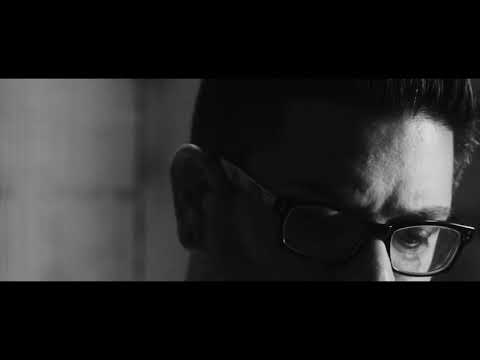
My solution was to shoot the new host content on the exact same stage and backdrops as the original interviews, and while we had that stage, to capture pickup shots of the host in those same environments. The result was that the host appears to be present in conversations he wasn't actually part of, listening and responding to engineers he never met in person. On screen, it's seamless.
The client got what they were hoping for, and the film reads as if it was conceived and executed exactly this way from the beginning. That's usually the goal. In this case, it took two passes to get there.
2026 American Advertising Awards winner